The Science of Parenting
UVA experts share research-based strategies for helping young children thrive
Nurturing the youngest children comes with joys and hurdles. From encouraging independence to fostering emotional intelligence, the early years are a crucial time for laying the foundation of a child’s character, skills, behavior and social awareness. Here, UVA experts across psychology, education and child development share research-based tips to help parents navigate these years with confidence.
Let them do it (within reason).

Parents often spend a fortune on pretend kitchens, toy tools and other playthings to help children emulate adults. But when Angeline Lillard, a professor of psychology and director of UVA’s Early Development Laboratory, studied whether kids preferred pretending or doing real activities, the results were clear: They prefer the real thing.
By age 3, about half preferred real activities over pretending to do them, Lillard found. By age 4 or 5, that preference becomes even stronger. Even a 2-month-old, she says, responds positively when they can control a mobile above them.
“From 2 months to old age and everywhere in between, there’s lots of research showing that human beings thrive on a sense of agency and a sense of choice,” Lillard says.
Giving young children opportunities to make decisions allows them to explore who they are and what they love while developing practical skills, she says. It lays the groundwork for a lifetime of experimentation, growth and self-awareness. And it’s common in Indigenous cultures and a hallmark of the Montessori educational system, of which Lillard is a proponent.
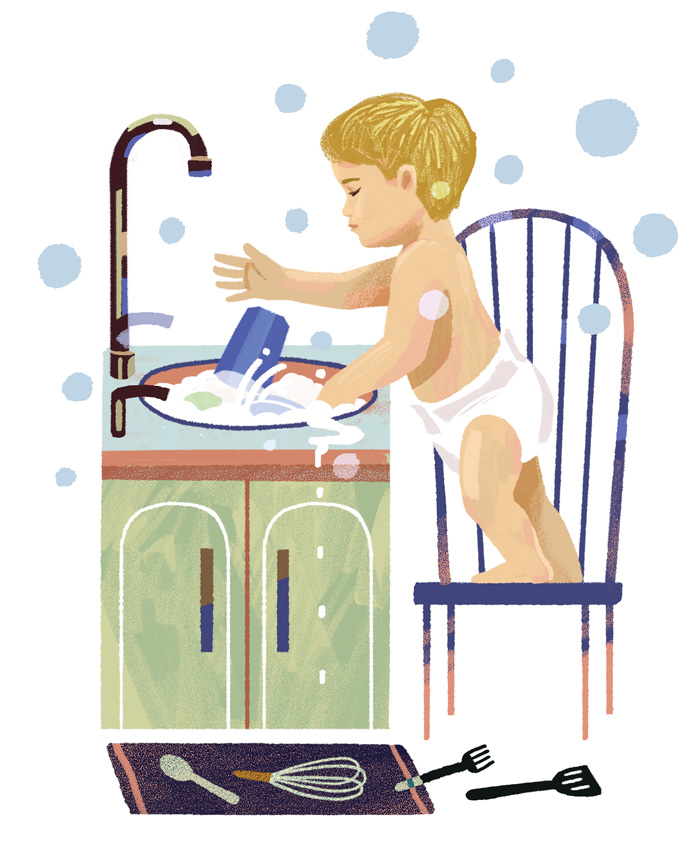
“They love to be doing what they see the adults doing, and we kill that impulse by taking things away, by always serving them, by not letting them make choices,” Lillard says. “… Instead, parents today, we have found, feel very guilty that they’re not pretending with their children.”
Giving a young child agency, of course, doesn’t mean parents should just hand them a paring knife or a power tool. “It’s not that parents shouldn’t set limits,” she says. “Children like limits.”
But there are simple ways parents can offer choices from an early age. For example, when dressing, give them outfit options to choose from. In the kitchen, set aside a cupboard with accessible dishes and let them join in. When you’re done eating, let them wipe down the table.
Of course, mistakes will happen, and tasks done with children may take longer. But these activities teach important lessons. “Making mistakes and hurting yourself here and there is learning to control your body, to control yourself in space,” Lillard says. “By not giving them the opportunity to figure that out, we’re really robbing them of understanding themselves and how they can function in the world.”
Nurture gratitude.

The youngest children can often seem a bit self-centered, refusing to share with a friend or insisting on having all eyes on them. But beneath those outbursts, their brains are working hard to develop crucial skills and behaviors that will serve them throughout their lives. And that includes gratitude, says Amrisha Vaish (Col class of ’02), an associate professor of psychology at UVA.
Vaish’s research focuses on the emergence of moral emotions like gratitude in young children. She approaches these behaviors from an evolutionary perspective to ask what skills we have developed to cooperate with others and live in societies.
In this context, gratitude is the positive emotion we feel when we have received some kind of benefit from someone who means us well, Vaish says. Researchers view it as a key social emotion, strengthening relationships and social ties that are essential for survival.
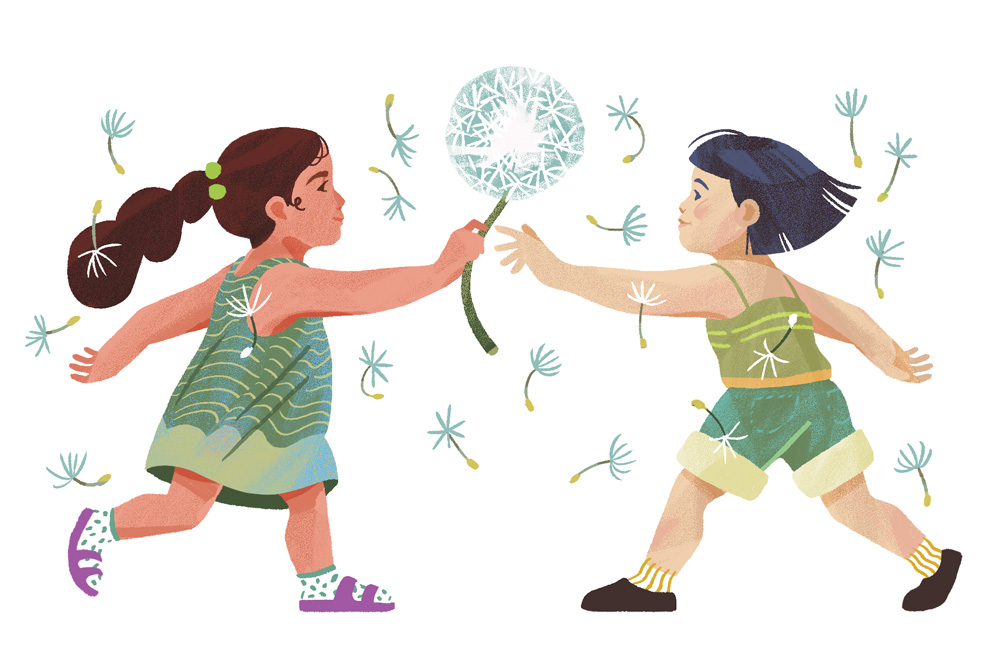
For example, in her research, Vaish has found that 4-year-olds who received help on a task are more likely to share stickers with a new peer, compared with those who complete the task on their own. In another study, she found that 5-year-olds and some 4-year-olds were very good at identifying people who express gratitude as better friends and are more inclined to interact with those who show this emotion.
While it’s challenging to fully understand the thoughts of young children, Vaish’s research shows that they not only exhibit behaviors consistent with gratitude but also recognize its importance and tend to value those who express it.
“They’re paying attention to these really critical, fairly nuanced pieces of their social interactions and their social world,” she says.
To help young children nurture feelings of gratitude, parents can encourage their kids to pause and reflect on the effort or intention someone put into doing something nice for them and suggest reciprocal acts of kindness. When somebody holds the door open for them or Grandma helps them bake cookies, Vaish says, draw attention to that kind act.
“It might serve as a kind of highlighting … where I put a little circle around it and say, ‘Pay attention to this kind of thing,’” she says. “These kinds of interactions are important to us.”
Tamp down tantrums.

Tantrums hit at the worst possible moments—at the grocery store checkout or when it’s time to get to preschool. Tiredness, hunger or frustration can send toddlers and preschoolers spiraling.
These meltdowns may be draining for parents, but they’re a completely normal part of childhood, says Alisa Bahl, a clinical psychologist and associate professor of pediatrics at the UVA School of Medicine. Kids use them to express anger, discomfort or overstimulation when they lack the words or skills to manage their emotions.
But for young children and their caregivers, often already juggling high levels of stress, these moments and other behavioral issues can make it harder to form positive, supportive relationships. Nearly half of parents report overwhelming stress, according to a 2023 American Psychological Association survey. In August, then-U.S. Surgeon General Vivek Murthy cited those statistics when he issued a public advisory warning about the high levels of parental stress and its impact on parents, children and families.
Bahl sees those negative impacts all the time in her work. She is also director of the new Parent-Child Interaction Therapy program at the UVA Health Neurodevelopmental and Behavioral Health Clinic. The therapy focuses on strengthening the bond between caregivers and their children, particularly those facing behavioral or mental health challenges.
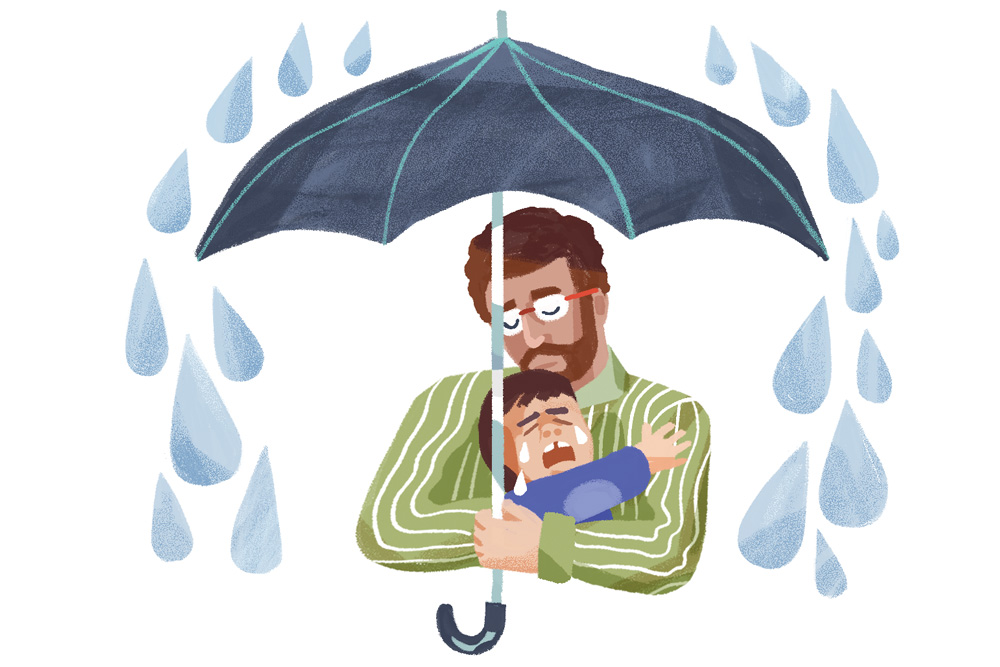
It’s not possible to prevent every tantrum, but parents can minimize them, Bahl says. One strategy is to take every opportunity to praise children for specific, positive behavior—whether it’s settling themselves down or putting on shoes when it’s time to go, she advises.
Don’t bombard them with general, broad instructions. “If children are bombarded … they’re just going to dig their heels in,” she says. When it’s time to put away toys, don’t issue a blanket request like “Clean it up.” Instead, Bahl recommends, use one-step directions to make each task manageable. Have them put the toy horses in the box, praise them for doing a great job and then move on to putting the blocks away.
Finally, five minutes a day of really focused, warm and positive time between a child and their caregiver can make all the difference. Read a book together or sit with them as they play. Praise them for all the great things they’re doing in the moment. “Just five minutes a day of giving that dose of really therapeutic interactions are enough to change a child’s behavior,” Bahl says.
When a tantrum does inevitably occur, Bahl offers these tips:
Let it run its course: Back off and let the child calm down on their own rather than getting pulled into the emotional outburst, which can make it worse.
Remain calm and present: Stick around during the tantrum, modeling calm behavior, so the child can learn to re-regulate their emotions.
Provide comfort and validation: Once the tantrum has passed, acknowledge the child’s emotions so they don’t feel dismissed. Say something like, “I know you were really upset.”
If tantrums are atypical in nature, seek help: Tantrums typically last from one to 10 minutes, research shows. They’re very common in 3-year-olds as they develop a desire for greater independence, Bahl says. If tantrums are lasting more than 25 minutes, occur more than five times a day or include consistent aggression toward parents—or when parents feel like they don’t have the capacity to manage them—it might be time to seek support from a psychologist or therapist, Bahl recommends.
Prep kids socially for kindergarten.

Early reading and math skills are helpful for children entering kindergarten, but they aren’t the only skills that will set them up for academic success, says Jason Downer, a professor at UVA’s education school and director of its Center for Advanced Study of Teaching and Learning. Research shows that social skills acquired during the preschool years, such as self-control or the ability to communicate with others, build a foundation for success in school and life.
Today’s teaching strategies also often are activity- and group-based, and that kind of instruction requires communication, sharing and emotional regulation skills too, Downer says. “Helping young kids figure out how to engage with others in ways that are intellectually curious and empathetic, and the communication skills required to do that, are just as important as some of the early academic skills.”
Developing social skills requires interacting with others, Downer says. And parents are in a perfect place to regularly showcase and nurture such skills.
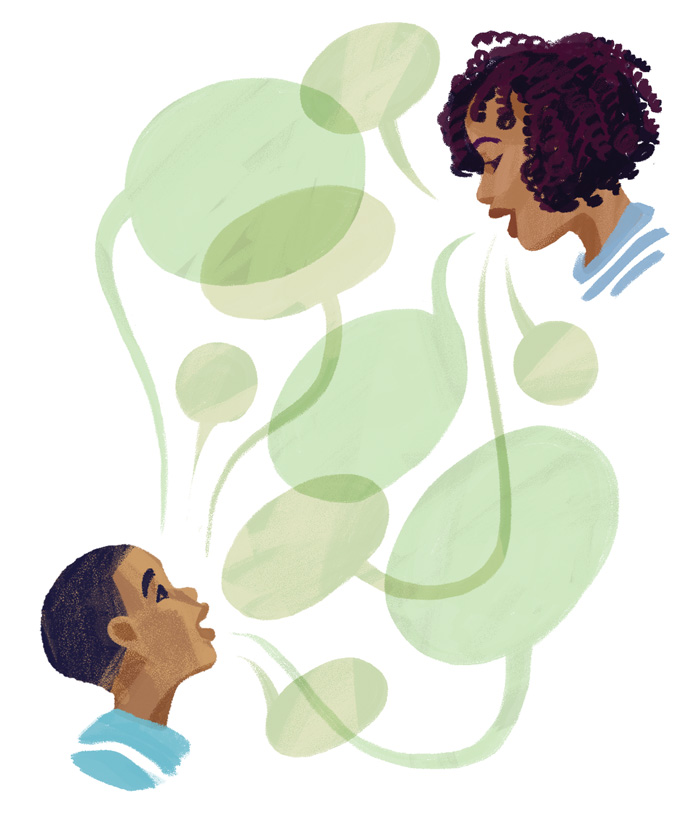
Downer shares these strategies:
Narrate it: Young kids may not have the ability to express their emotions. If a child is so excited about an afternoon playdate that they can’t focus on getting ready to go, talk it out. Say, “I see how excited you are about going to Tony’s house,” Downer recommends, but then quickly shift gears to the task at hand.
Model it: When you’re feeling anger, happiness or frustration, name it and model how to regulate it. For example, if you drop a carton of eggs, say something like this out loud: “I am so frustrated that I dropped those because it’s going to take a while to clean up,” Downer suggests. “I’m going to take a deep breath, walk out of the room, and I’m going to come back. Maybe you can help clean it with me.”
Talk about it: When you’re watching a TV show together and a character experiences some high emotions, pause the episode and point it out. “What do you think is going through Bluey’s sister’s mind right now? What’s [she] feeling?” Downer suggests. Those kinds of discussions can help them recognize their own feelings and begin to understand that other people have feelings too.
Practice self-control: Self-control comes in short supply when you’re a toddler, but it’s an important skill for grade-schoolers. Games like “red light, green light,” where players run toward a goal, stopping and starting as the leader says “red light” and “green light,” can teach little ones how to control some of their immediate impulses, Downer says.
Support inquisitiveness about differences.

Young children notice differences from a very young age, research shows. When it comes to race, for example, 6-month-olds can discern different skin colors, and 5-year-olds have absorbed stereotypes and other messages about racial characteristics from others.
Assuming that children are not noticing race “just perpetuates this kind of narrative of innocence and colorblindness that does children a disservice as they age,” says Wintre Foxworth Johnson (Col class of ’12), an assistant professor in UVA’s education school. “Then they are not competent to engage with folks who are not like them.”
Johnson studies how to use literacy as a tool to help children name the racial and social inequities around them. Her work is informed, in part, by her own time as a preschool and kindergarten teacher in a predominantly African American school where reading and literacy were important parts of the school day.
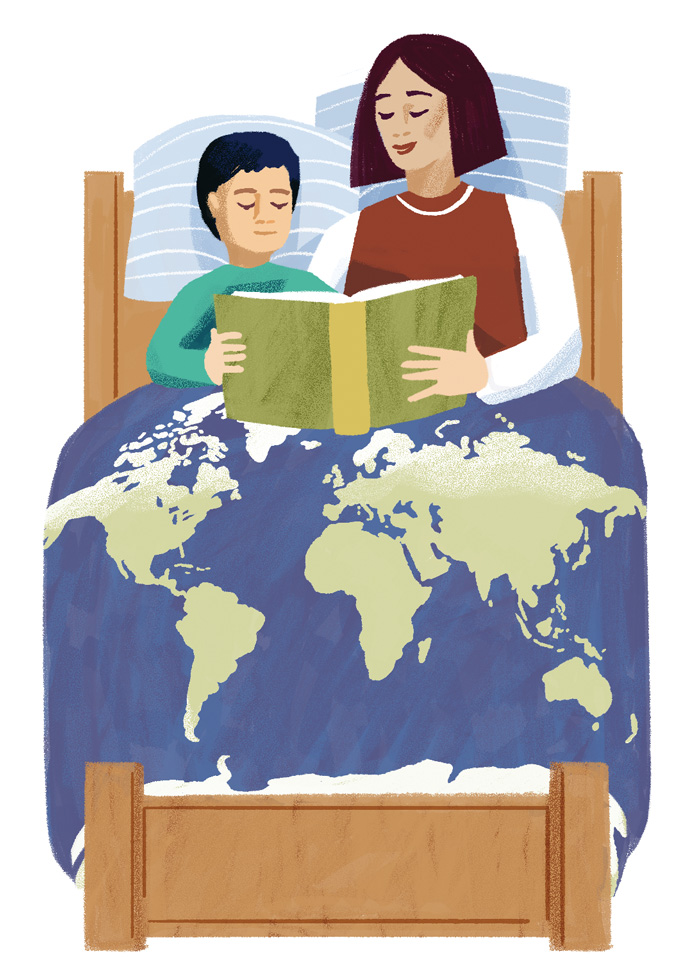
A mother of two young children herself, Johnson says children’s books can be especially helpful in spurring thoughtful conversations that help kids make sense of the world, regardless of their background.
To Johnson, the goal should be to teach children to treat all people with respect and encourage inquisitiveness. “It’s not bad to have a question. It’s not bad to not know,” Johnson says. “It’s bad to stay ignorant. That bad part is not being willing to learn.”
To find children’s literature that represents the depth and breadth of humanity, Johnson recommends looking for books that are authentic and complex. Ensure that the author or illustrator is representative of the community they’re documenting. Books should give readers a sense of that group’s humanity rather than just telling a flat story. Librarians can help, Johnson says.
As you read those books to your kids, you’ll need to be ready for their questions about unfamiliar and uncomfortable topics. Johnson recommends equipping yourself with knowledge beforehand about the histories and lives of those you aren’t familiar with—whether it’s a different race, ability or sexual orientation. From there, be willing to learn together and don’t dumb down the conversation, she says.
“When I think about the naysayers [who might argue that children can’t handle difficult conversations], I think it’s more about the parent and their comfortability than it is the child’s capability,” Johnson says. “The child is very often ready to have the conversation to parse and make sense of what is going on in [their] mind. And if you shut it down, then they won’t know.”