Mapping where housing materials add to risk of infectious disease
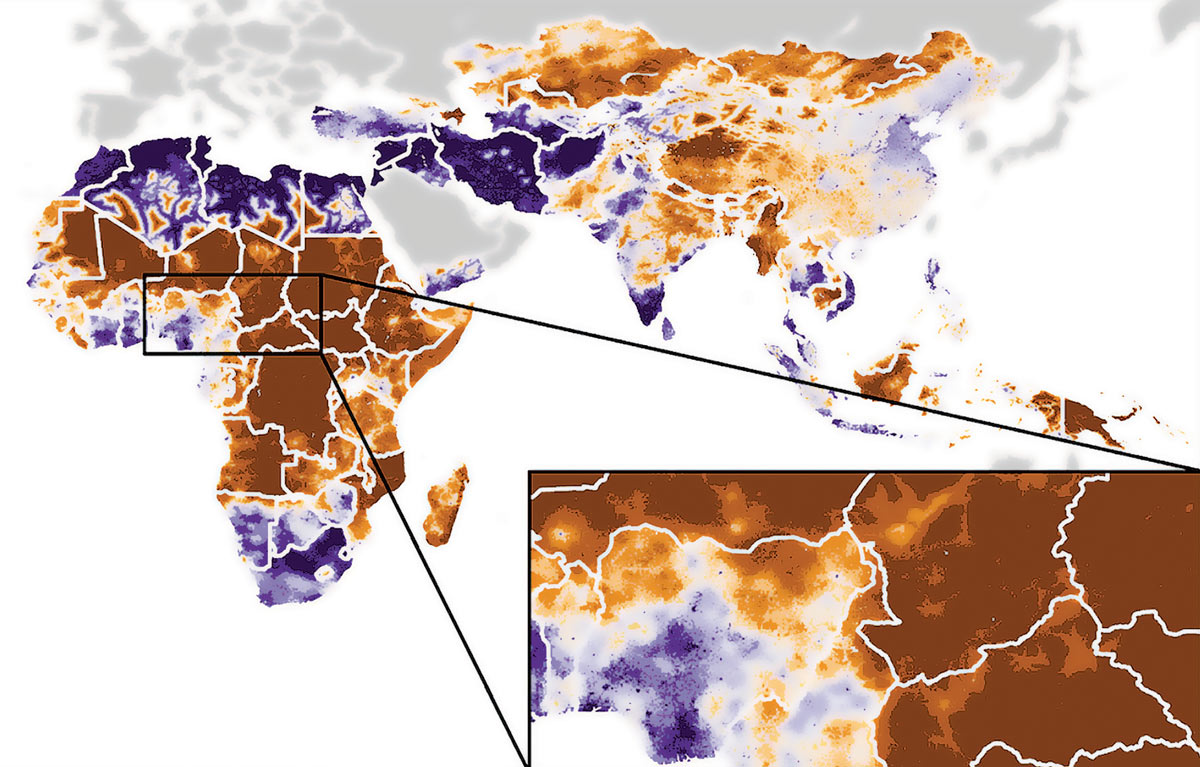
A new tool for urban planners and policymakers in low- and middle-income countries (LMICs) can help pinpoint potential red flags when it comes to certain housing materials known to exacerbate infectious disease risks. Josh Colston, an epidemiologist and assistant professor at the UVA School of Medicine, and an interdisciplinary team at UVA created a database that maps global disparities in housing quality and its potential role in disease prevention. The research was published in the Dec. 18 edition of PLOS Global Public Health.
The connection between housing materials and disease is often overlooked, but certain materials can exacerbate disease risks. For example, dirt floors harbor bacteria and parasites that can cause diarrheal diseases in children if they ingest the dirt. Thatched roofs can harbor disease-bearing insects, and unscreened windows allow in mosquitoes and other flying pests.
This research underscores the importance of housing quality as a public health priority in the global fight against infectious diseases, Colston said. By identifying risk factors for disease clusters, public health professionals can better pinpoint the potential presence of a disease. “You can then target it for some kind of intervention,” he said. While experts have used this approach for major infectious disease risk factors such as water and sanitation, it hadn’t been used for housing materials.
Colston and his team analyzed data from 350 household surveys conducted since 2005, covering more than 6 million households across LMICs. Using advanced modeling techniques, they created predictive maps identifying regions most at risk due to poor housing conditions.
“Our findings provide actionable evidence for public health programs,” Colston said. “This is about giving policymakers tools to identify hot spots and act accordingly—whether through mosquito control or offering materials for safer homes.”