9 illuminating memoirs by UVA alumni
With elements of traditional memoir, biography and lyric essay, these nonfiction works chronicle some of the diverse experiences of the UVA alumni community.
Evangelical Anxiety: A Memoir (2022)
By Charles Marsh (Grad class of ’88, class of ’89)
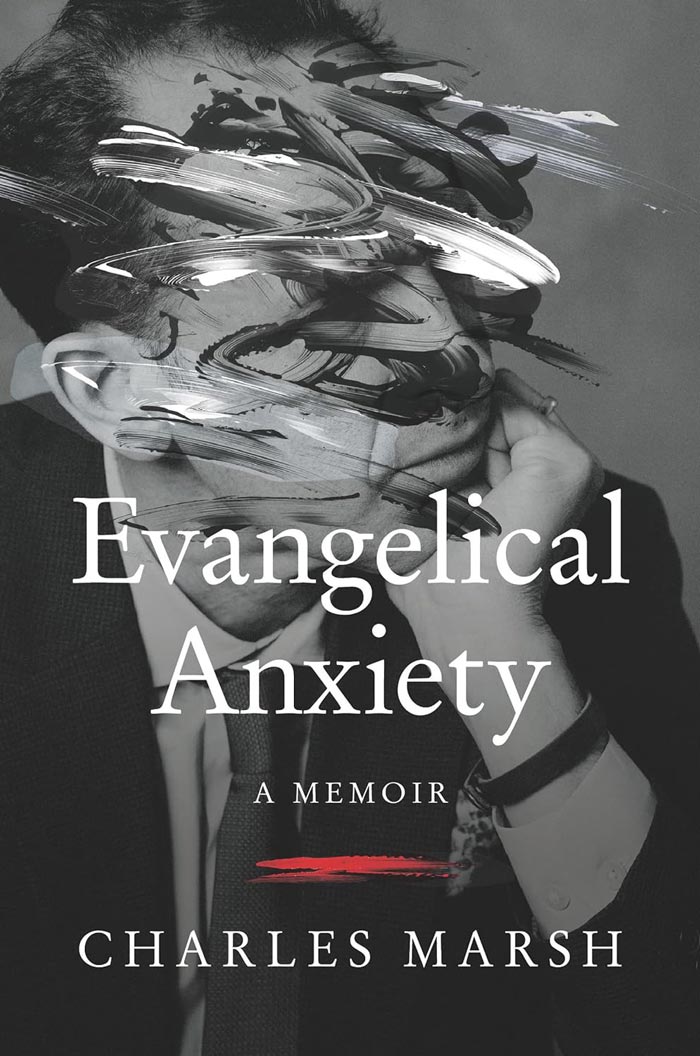
In his newest book, UVA religious studies professor Charles Marsh explores the ways in which his Christian upbringing affected his mental health. For years he suffered from panic attacks and depression, but “we did not do therapy—my family, my particular evangelical coterie,” he writes. With vulnerability and humor, Marsh explains how he finally sought mental health treatment. Through years of Freudian psychoanalysis, he slowly sheds the secrecy and shame he was “primed for,” becoming “freer, and somehow more unified.” In the end, Marsh remains devoted to Christianity, with the understanding that it’s “much larger and more encompassing than the churches of my childhood.”
How to Say Babylon (2023)
By Safiya Sinclair (Grad class of ’14)
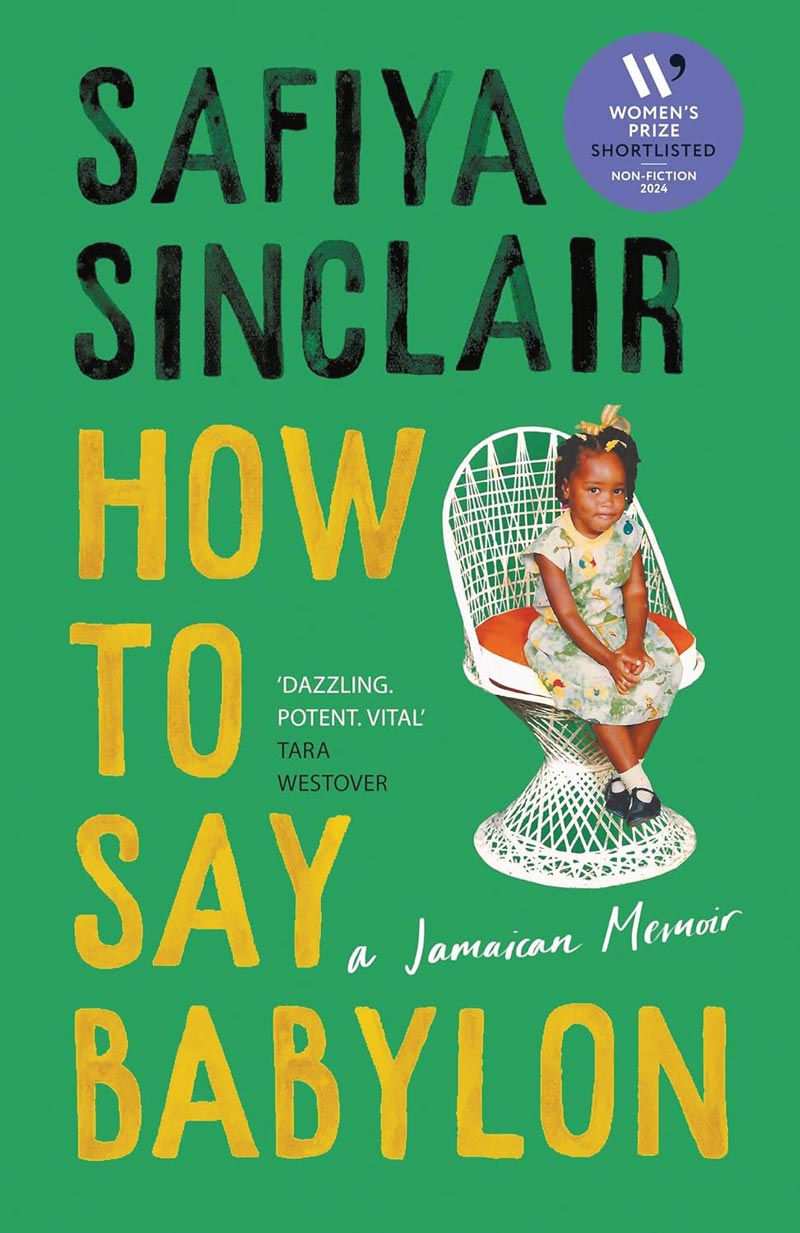
In her debut memoir, poet Safiya Sinclair details her struggle to break free from her rigid Rastafarian upbringing and find her voice. In lush, vivid prose that transports readers to the Jamaican seaside village of her youth, Sinclair sets her coming-ofage story against a backdrop of abuse, patriarchy, poverty and colonialism. Historical context about the anti-colonial Rastafari movement and fears of Babylon—the immoral and corrupting influences of Western society—offers deep insight into her family’s motivations throughout the story. Art, literature, education and a spirit of rebellion propel Sinclair into a successful, independent world of her own.
My Father Before Me (2016)
By Chris Forhan (Grad class of ’03)
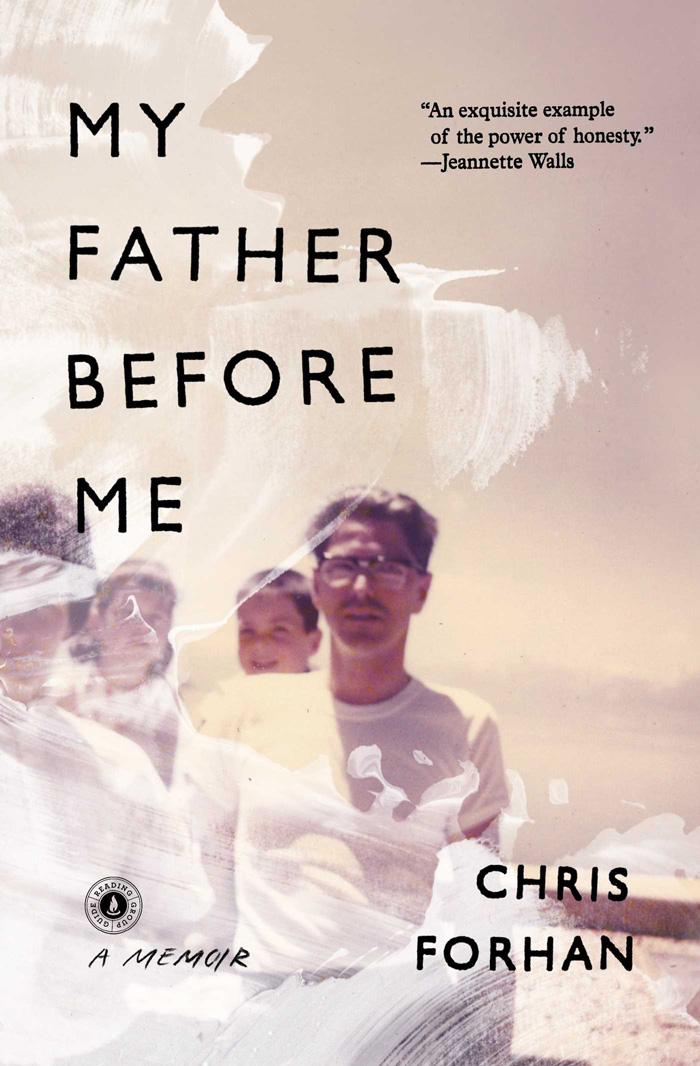
When poet Chris Forhan was 14, his father took his own life, leaving behind no note or explanation. Decades later, Forhan begins searching for answers about what led to that traumatic event, and, ultimately, who his father really was. “A suicide leaves behind it a wake of silence,” he writes. “I have wanted to fill that silence.” He learns of his father’s Irish Catholic upbringing during the Great Depression, his health struggles and his gambling addiction. As Forhan weaves together his father’s life story, he makes sense of how that story has shaped his own. What has filled the silence left behind by his father’s suicide, he finds, are words and poetry.
Going There (2021)
By Katie Couric (Col class of ’79)
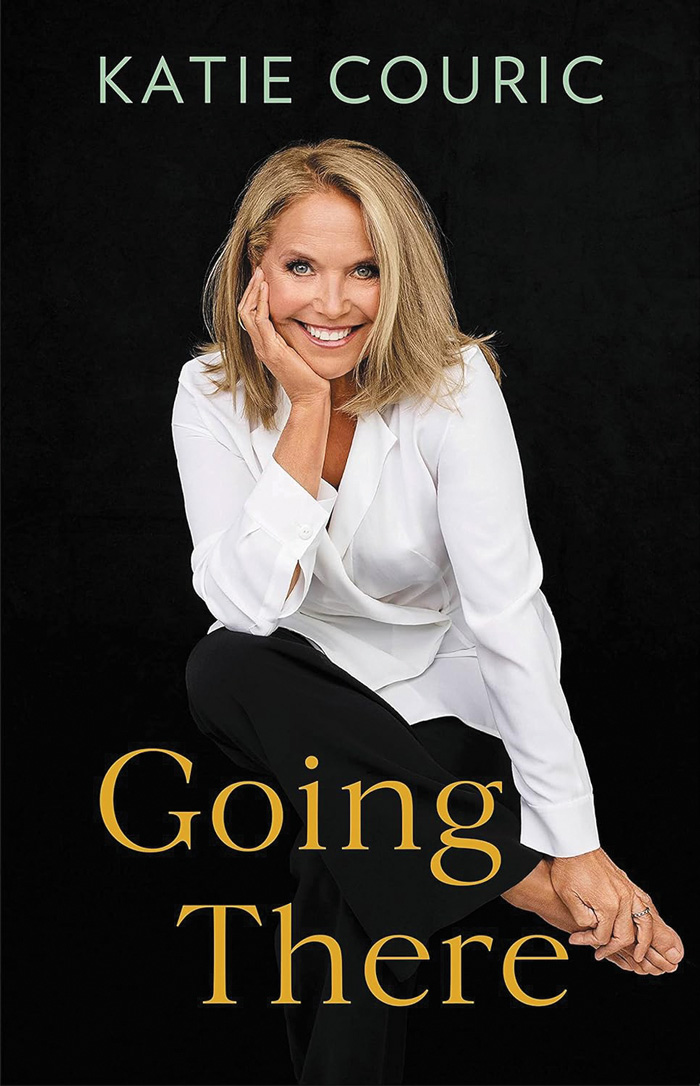
Katie Couric is best known as the longtime co-host of NBC’s Today show. But television, as she writes in her candid and occasionally salacious memoir, “is not the whole story, and it is not the whole me. This book is.” Very few topics are off-limits: She addresses childbirth and the death of her first husband, as well as industry sexism and her former co-anchor Matt Lauer, who was fired after sexual misconduct allegations. Oh, and if you’re curious how “a regular girl” (her words) from Northern Virginia “catapulted to the highest strata of the New York media world,” she covers that, too.
Bright (2022)
By Kiki Petrosino (Col class of ’01)
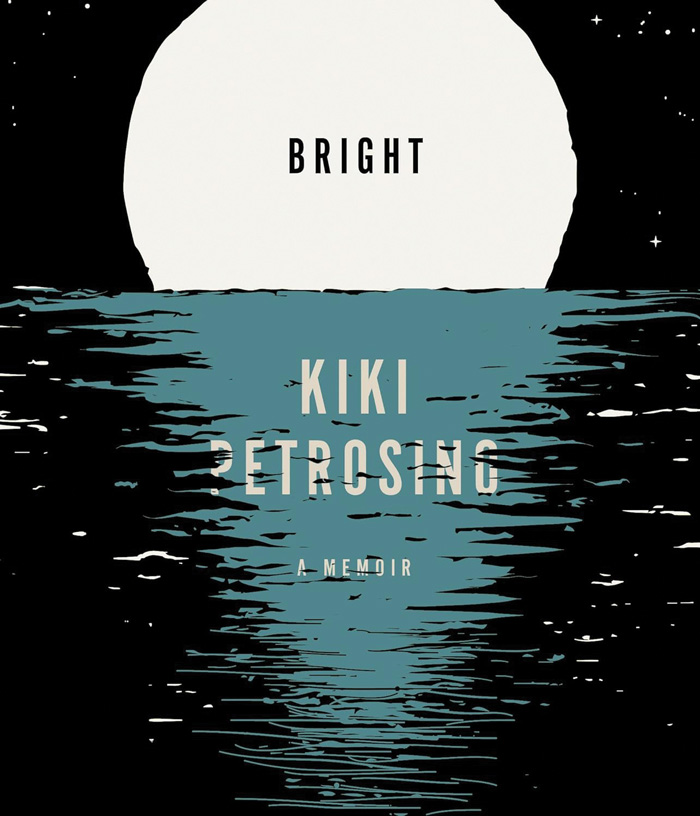
In this essay collection, UVA poetry professor Kiki Petrosino chronicles her upbringing in a mixed Black and Italian American family in rural Pennsylvania. “Bright,” she explains, is an American slang term for light-skinned people of both Black and white ancestry. “It’s not a compliment.” She shares memories of feeling isolated at Catholic school, of her beloved Italian grandfather, of becoming a poet and professor. Petrosino incorporates Dante’s Inferno, Shakespeare’s The Tempest and the writings of Thomas Jefferson in her examination of the complicated legacy of racial discrimination in the United States. Introspective, meditative and lyrically written, Bright captures Petrosino’s lifelong search for belonging.
Why Fish Don’t Exist: A Story of Loss, Love, and the Hidden Order of Life (2020)
By Lulu Miller (Grad class of ’12)
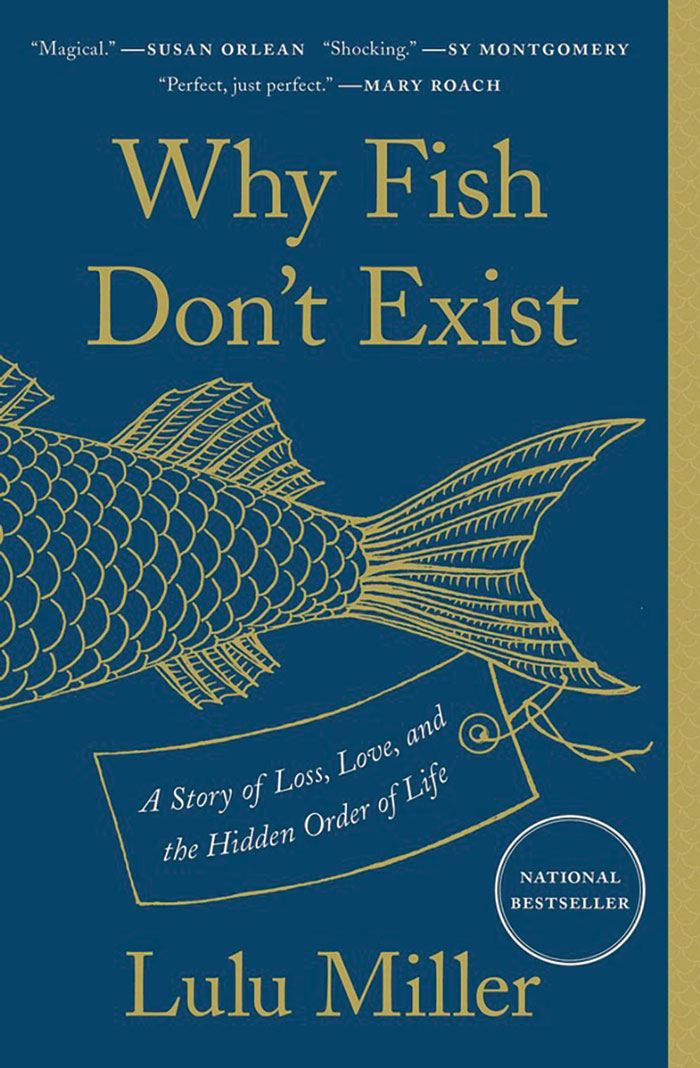
Former NPR science reporter Lulu Miller combines elements of biography and memoir to tell a complex story framed around scientist David Starr Jordan, known for identifying more than 2,500 species of fish. An anecdote Miller learned about him as a young journalist, she explains, had always stuck with her: After a 1906 earthquake destroyed his life’s work, he “didn’t give up or despair” and simply began to rebuild. Miller became “increasingly desperate to know” how he remained so optimistic. Facing struggles of her own—an intentional sleeping pill overdose, a collapsed relationship—she digs into Jordan’s life story, hoping for inspiration. She takes readers on the emotional journey that follows when she learned he was an outspoken eugenicist: “I felt sick. I had been fashioning myself after a villain.” Realizing that this historical figure “wasn’t going to lead me into some beautiful new existence” allows Miller to finally move forward in her own life.
Flash Count Diary: Menopause and the Vindication of Natural Life (2019)
By Darcey Steinke (Grad class of ’87)
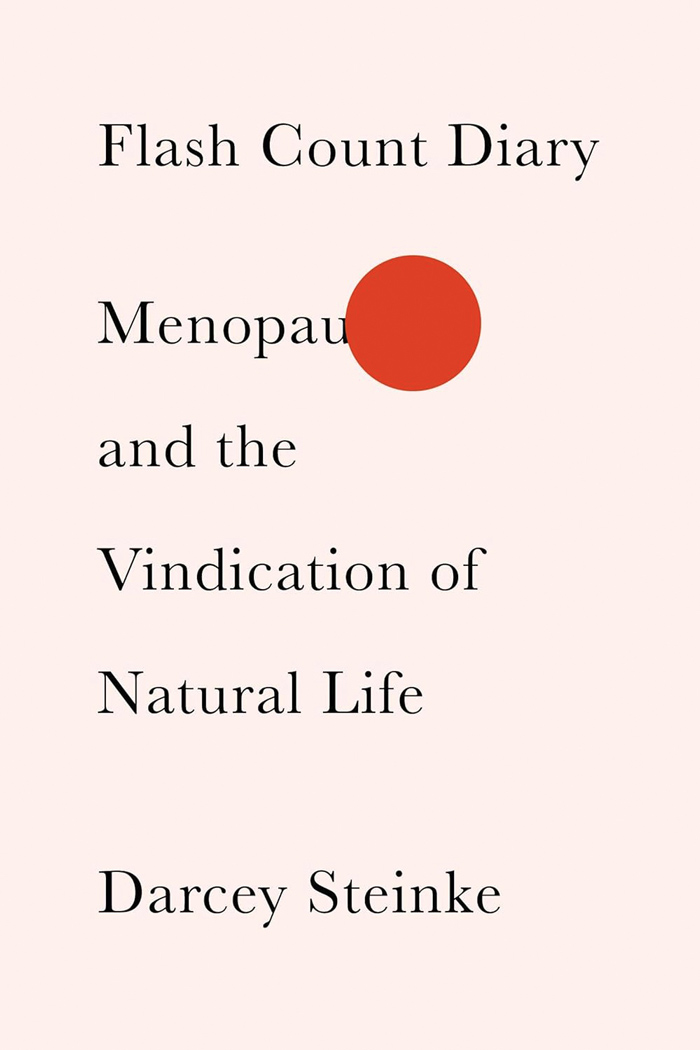
Finding the available literature about menopause scant and incomplete, author Darcey Steinke set out to gain a fuller understanding of the phenomenon. Menopause, she writes in the resulting memoir, “is as much a spiritual challenge as it is a physical one.” Steinke ruminates on dwindling sexual desire, gender roles, and what she calls her “ungendering” due to physical and emotional changes. In addition to personal accounts of symptoms like hot flashes, depression and insomnia, she weaves in medical research and scientific observations of the female orca, another mammal that commonly experiences menopause. Flash Count Diary provides intimate, honest insight into the experiences of older women—and urges readers to reevaluate how they view and treat them.
Body Toxic (2001)
By Suzanne Paola (Grad class of ’89) writing as Susanne Antonetta
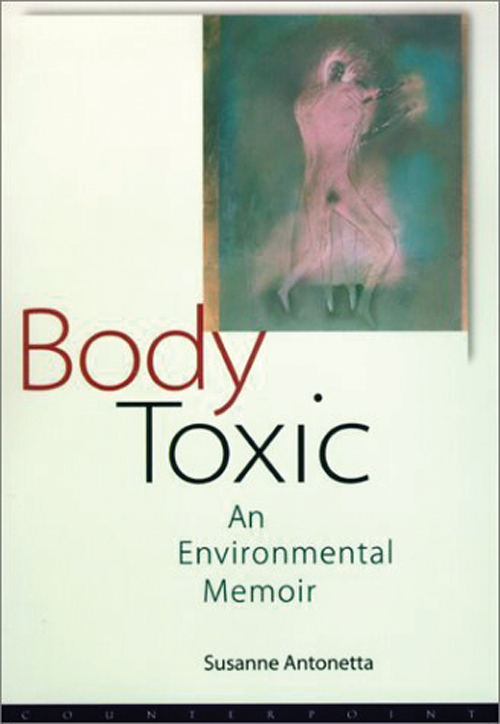
In this environmental memoir, writer Suzanne Paola recounts her seemingly idyllic childhood in the boglands of New Jersey—a region her family later discovered was invisibly tainted from a nearby nuclear power plant and illegally dumped chemicals. Paola lays out in intimate detail the effects she’s experienced throughout her adolescence and adulthood: “I have or have had one spectacular multiple pregnancy, a miscarriage, a radiation-induced tumor, a double uterus, asthma, endometriosis, growths on the liver.” While the book is “the story of a body,” Paola also examines the emotional and psychological side effects: depression, drug addiction and dysfunctional family dynamics. As corporate environmental responsibility remains a hot topic, Body Toxic is relevant more than 20 years later.
Three Dads and a Baby: Adventures in Modern Parenting (2021)
By Ian Jenkins (Col class of ’97, Med class of ’01)
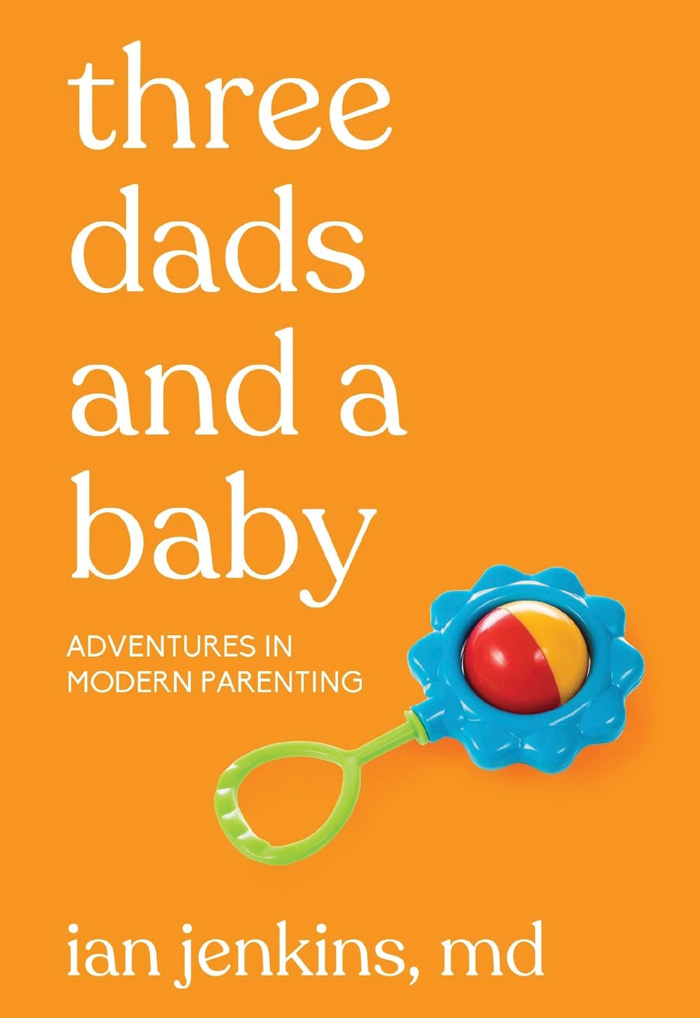
“Gay couples don’t stumble into parenthood by accident,” writes physician Ian Jenkins in Three Dads and a Baby. “It’s always a deliberate act, and a complicated one.” Complicating his journey even further is the fact that he’s part of a polyamorous “throuple”—with all three partners seeking legal parenthood. They face IVF failures, threats of the Zika virus, mounting surrogacy costs, unsupportive doctors and a legal battle to get all three of their names on their firstborn’s birth certificate. He shares his frustrations about the process—but also expresses gratitude for the egg and embryo donors and surrogates who helped the aspiring dads realize their dream. Later in the book, Jenkins takes readers back to his adolescence and the homophobia he faced—including during his years at UVA—further cementing just how challenging his journey has been.