8 recent Civil War history books by UVA authors
Civil War history has always been a UVA strength, especially as home to the Nau Center devoted to the subject. These recent works by alumni and faculty may teach even the most avid history buffs something new about this complex, pivotal era.
Ends of War: The Unfinished Fight of Lee’s Army After Appomattox (2021) by Caroline E. Janney (Col class of ’98, Grad class of ’01, class of ’05)
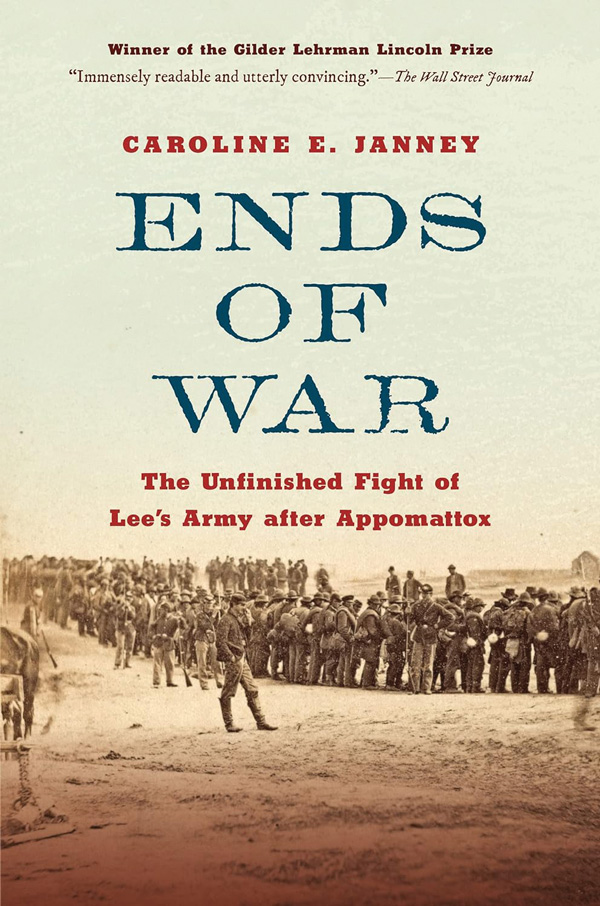
Ends of War homes in on the days and weeks following Robert E. Lee’s surrender to Ulysses S. Grant at Appomattox. While many consider that event to mark the official end of the Civil War, Caroline Janney, director of the Nau Center, asserts that in observing the events after Appomattox, “we see a far more contentious, uncertain, ambiguous, lengthy ending.” Slowing down the narrative, she writes, “highlights the anxieties of Union and Confederate soldiers, civilians on the home front, and government officials.” As many as 20,000 of Lee’s soldiers, for example, refused to surrender. Ultimately, Janney seeks to dispel myths about the war’s end and to encourage readers to reconsider existing narratives.
American Civil Wars: A Continental History, 1850–1873 (2024) by Alan Taylor
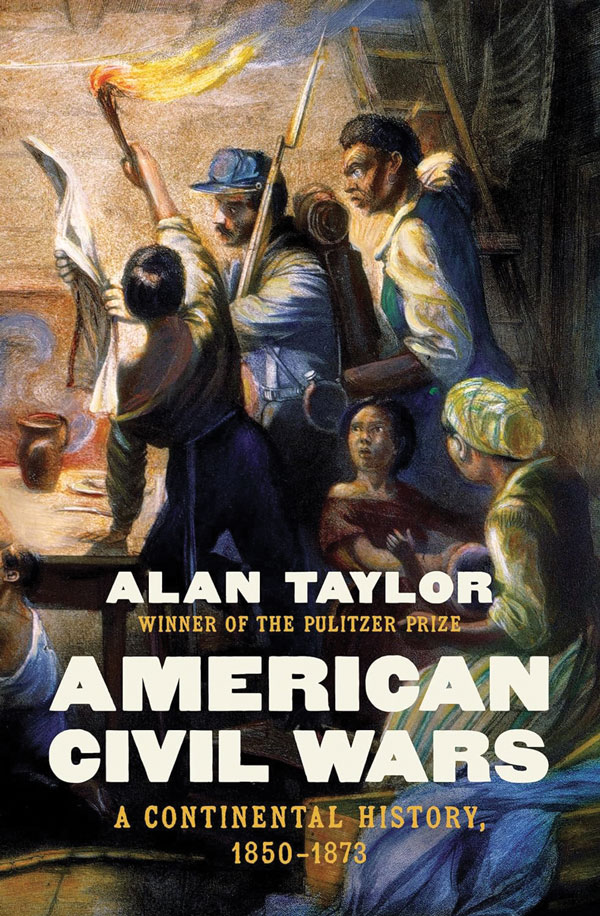
In his latest work, Pulitzer Prize-winning historian and UVA professor Alan Taylor puts the Civil War into a wider context, exploring its international causes and consequences. The political instability caused by the war, for example, led to a French invasion of Mexico. And as Canadians watched the conflict unfold, they grappled with political divisions growing within their own nation between Anglophones and Francophones. Taylor explores the 1850s through the 1870s, from early debates over the potential expansion of slavery to the beginning of Reconstruction. He focuses on the most influential leaders of the time, including Abraham Lincoln, Benito Juárez and Jefferson Davis.
The Generals’ Civil War: What Their Memoirs Can Teach Us Today (2021) by Stephen Cushman
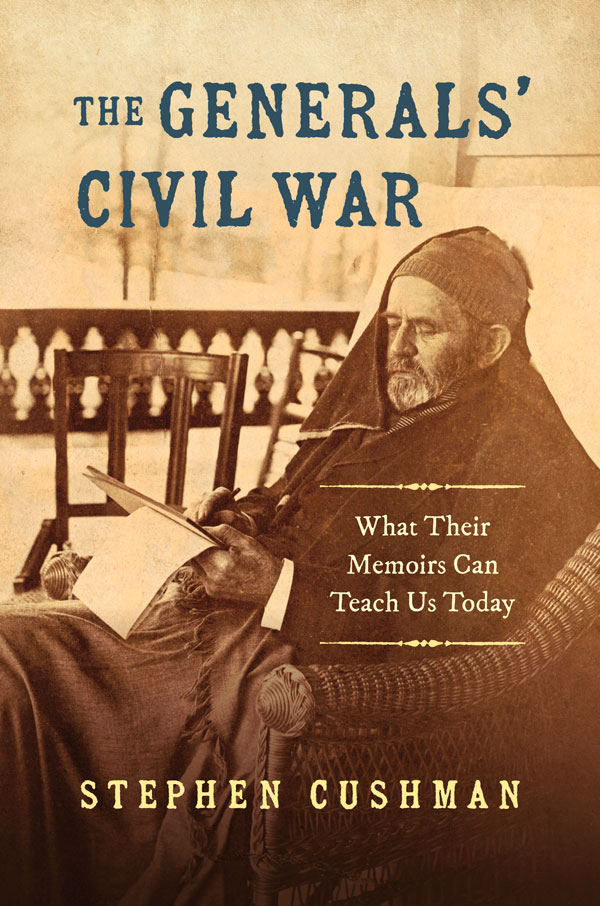
With an approach that’s both historical and literary, UVA English professor Stephen Cushman compiles a collection of memoirs, printed between 1874 and 1888, written by Civil War generals. He invites readers to delve into these primary documents—including those from William Tecumseh Sherman, Ulysses S. Grant and George B. McClellan—and provides an understanding of the postwar publishing boom that brought them to market. Cushman urges readers to consider how memory, imagination, history and literature are intricately intertwined. “What made these books important and makes them important still,” Cushman writes, “is the convergence of first-person storytelling with the most extensive violence yet visited, in a compressed period of a few years, on people living in the United States.”
The Democratic Collapse: How Gender Politics Broke a Party and a Nation, 1856–1861 (2022) by Lauren N. Haumesser (Grad class of ’15, class of ’18)
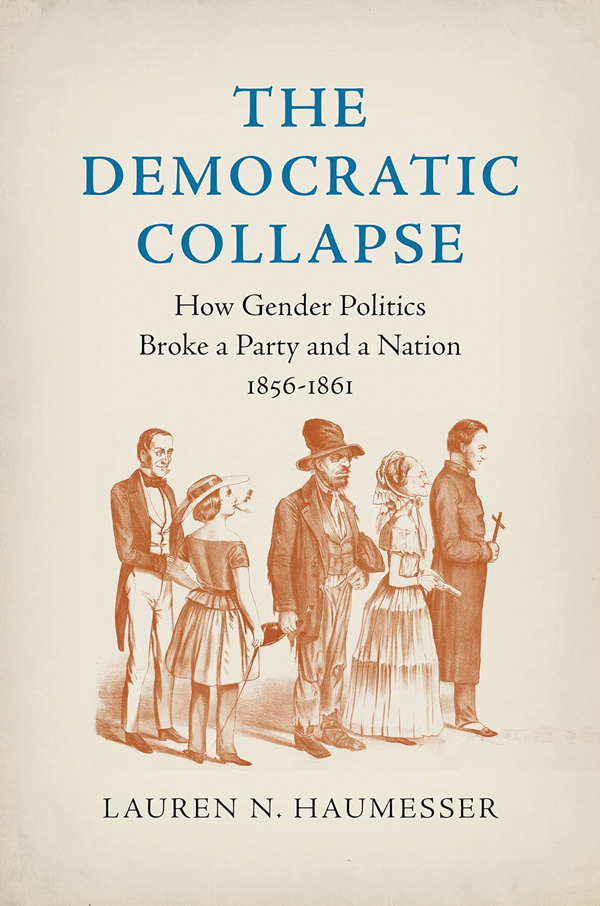
A historian of 19th-century America, Lauren Haumesser focuses on gender politics in the five-year period leading up to the Civil War. Disagreements between Northern and Southern Democrats over the roles men and women should play in their families and in society, she writes, “exaggerated and exacerbated the Democratic Party’s internal disagreements about slavery.” That disconnect ultimately led to the undoing of the party. Haumesser’s research and analysis rely heavily on antebellum newspapers—from an abolitionist paper in Washington, D.C., to partisan papers across the North and South—which were flourishing at the time thanks to new printing technologies.
Longstreet: The Confederate General Who Defied the South (2023) by Elizabeth R. Varon
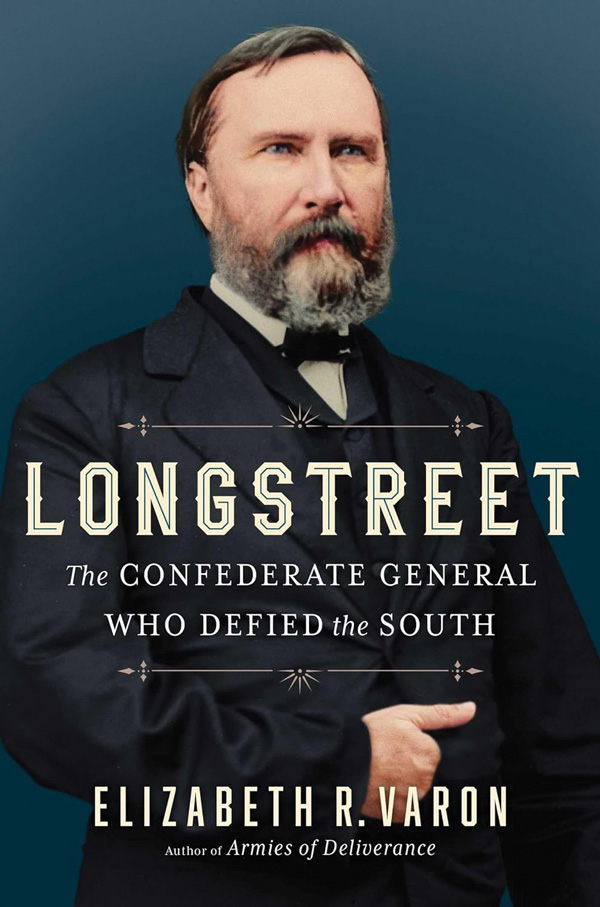
In her latest biography, UVA history professor Elizabeth Varon dissects the surprising political conversion of Confederate general James Longstreet. He served as second-in-command to Robert E. Lee—who referred to Longstreet as his “old war horse”—and directed Confederate forces to capture Black people for slavery or imprisonment. In what Varon posits is one of the most remarkable political about-faces in American history, after the war Longstreet supported Black suffrage, endorsed Reconstruction and became commander of Louisiana’s multiracial militia. He was branded as a “Confederate Judas,” she writes. The story of his life and career, she argues, represents “American culture’s unfolding contest over the Civil War’s legacies.”
The Abolitionist Civil War: Immediatists and the Struggle to Transform the Union (2023) by Frank J. Cirillo (Grad class of ’13, class of ’17)
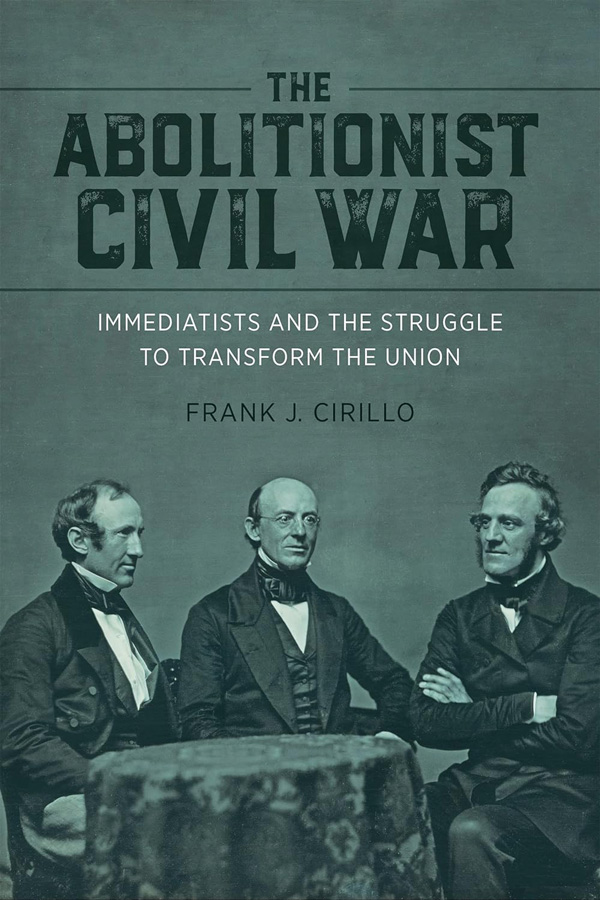
In his debut book, Frank Cirillo, a historian of slavery and antislavery in the 19th-century United States, explores the intricacies of the abolitionist movement during the Civil War. The narrative begins in the 1830s with the immediate abolitionists, or immediatists, who “demanded racial justice for justice’s sake,” Cirillo writes. Leading figures in the movement, including famed orator and former enslaved laborer Frederick Douglass and young educator Charlotte Forten, developed clashing schools of thought, creating a rift in the effort to form a more perfect Union. Ultimately, Cirillo argues, the abolitionists of this era fostered meaningful debates about slavery—but did little to achieve racial justice beyond formal freedom.
Wide Awake: The Forgotten Force That Elected Lincoln and Spurred the Civil War (2024) by Jon Grinspan (Grad class of ’12, class of ’13)
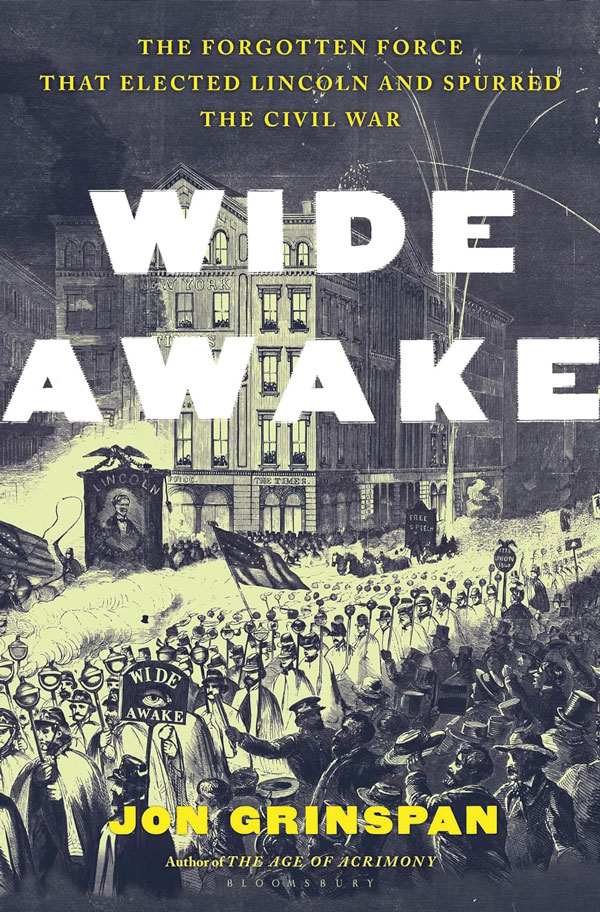
In his new book, Smithsonian political history curator Jon Grinspan explores a little-known antislavery youth movement. It began during the 1860 presidential election when a few young Northerners appeared as bodyguards for antislavery stump speakers. They called themselves the Wide Awakes and would go on to “form companies and elect officers, don uniforms and organize rallies, vote for Lincoln and then fight for him,” Grinspan writes. Mostly composed of white and Black working-class Americans in their 20s, the group became polarizing. To some, the Wide Awakes represented a powerful movement rising up against slavery. To others, they were an alarming paramilitary group. Wide Awake explores themes such as free speech, protest and violence that have remained relevant to American democracy ever since.
After Emancipation: Racism and Resistance at the University of Virginia (2024) edited by Kirt von Daacke (Col class of ’97) and Andrea Douglas (Grad class of ’96, class of ’01)
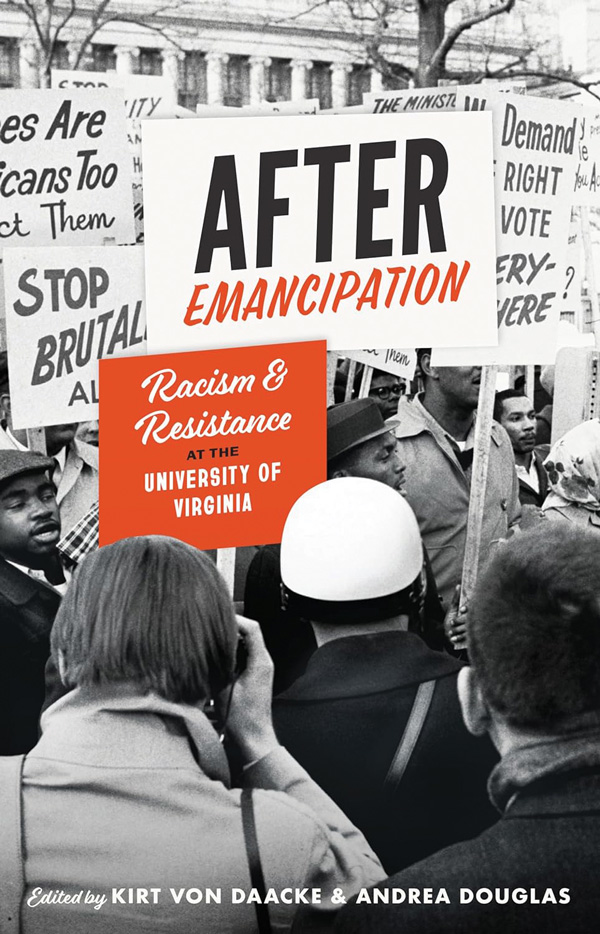
This anthology explores UVA’s history of racial exploitation in the years directly following the Civil War. Edited by Kirt von Daacke, a UVA assistant dean and history professor, and Andrea Douglas, executive director of the Jefferson School African American Heritage Center, it features 15 essays written by UVA faculty and alumni. After Emancipation seeks to tell a fuller story about the century after 1865 while highlighting the “resistance, resilience, and energy of African Americans during Reconstruction and during the Jim Crow era,” the editors write. The volume also includes responses to the essays from alumni, students and Charlottesville locals. “These reflections,” von Daacke and Douglas write, “remind us that the University of Virginia and Charlottesville today have changed and diversified in important ways while simultaneously highlighting just how much work remains to be done to dismantle the afterlives of slavery.”
Want more? Here are some other recent Civil War-related books by ’Hoos:
- True Blue: White Unionists in the Deep South During the Civil War and Reconstruction (2022) by Clayton J. Butler (Grad class of ’19, class of ’20)
- At the Threshold of Liberty: Women, Slavery, & Shifting Identities in Washington, D.C. (2021) by Tamika Y. Nunley (Grad class of ’12, class of ’15)
- Colossal Ambitions: Confederate Planning for a Post-Civil War World (2020) by Adrian Brettle (Grad class of ’14)